TL;DR
A virtual card is a digital payment card that businesses use to control spending, improve security and simplify expense management without relying on physical cards.
Australian businesses are increasingly using virtual cards for employee expenses, supplier payments, subscriptions and accounts payable workflows because they provide better visibility, stronger controls and faster reconciliation.
See how ProSpend virtual cards work.
What is a Virtual Card?
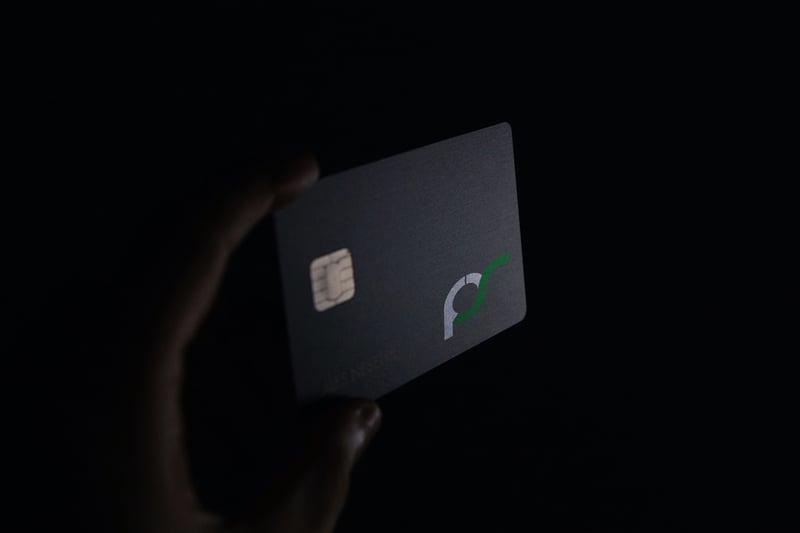
A virtual card is a digitally generated payment card that contains the same information as a traditional debit or credit card — including the card number, expiry date and CVV — but without a physical plastic card.
Virtual cards can be used for:
- Online purchases
- Supplier payments
- Employee expenses
- Travel bookings
- Subscription management
- One-off project spend
- Temporary or controlled purchases
Most virtual cards can also be added to digital wallets such as Apple Pay or Google Wallet for contactless payments.
For finance teams, virtual cards provide a more secure and controllable alternative to traditional corporate cards.
Who are virtual cards for?
Virtual cards are commonly used by:
- Finance teams managing employee spend
- Accounts payable teams handling supplier payments
- Multi-entity organisations needing tighter controls
- NFPs and charities managing grant or program budgets
- Project-based businesses controlling ad-hoc spend
- Hybrid or remote teams requiring digital-first payment methods
- Businesses wanting to reduce manual expense reconciliation
In Australia and New Zealand, virtual cards are becoming increasingly popular as businesses look for better visibility, stronger controls and faster approval processes.
How do virtual cards work?
1. A Virtual Card is Created
A finance team or authorised manager creates a virtual card within a spend management platform.
The card can be configured with:
- Spending limits
- Expiry dates
- Merchant restrictions
- Currency permissions
- Budget rules
- User permissions
- Project or department allocations
This gives businesses far greater control compared to traditional company cards.
2. The Card is Assigned to an Employee or Purpose
The virtual card can then be assigned to:
- An employee
- A department
- A supplier
- A subscription
- A project
- A temporary purchase requirement
Some organisations issue permanent virtual cards for recurring spend, while others create single-use or temporary cards for one-off purchases.
3. Transactions Flow Back into Finance Systems
Once the virtual card is used, transactions are automatically captured and synced back into the spend management system.
This allows finance teams to:
- Track spend in real time
- Match receipts automatically
- Enforce policy compliance
- Approve expenses faster
- Monitor budgets proactively
- Reduce manual reconciliation
With integrated spend management software, finance teams gain visibility before, during and after spend occurs.
What are the benefits of virtual cards?
Better Spend Control
Virtual cards give finance teams greater control over company spending.
Businesses can:
- Set transaction limits
- Restrict spend categories
- Apply merchant controls
- Create temporary or single-use cards
- Freeze cards instantly
- Allocate cards to projects or departments
This helps reduce unauthorised spending while improving budget visibility.
Improved Security
Because virtual cards are digital-only, they reduce many of the risks associated with physical corporate cards.
Additional security benefits include:
- Temporary card creation
- Reduced card sharing
- Instant cancellation or freezing
- Real-time transaction monitoring
- Merchant restrictions
Many businesses also create dedicated virtual cards for subscriptions or suppliers to reduce fraud exposure.
Faster Reconciliation and Finance Visibility
Virtual cards can automate many manual finance processes.
When connected to spend management software, businesses can:
- Capture transactions automatically
- Match receipts faster
- Reduce reimbursement admin
- Improve audit trails
- Track spend in real time
This is particularly valuable for finance and accounts payable teams managing large volumes of transactions.
Learn about the benefits of virtual cards for AP.
What are common business use cases for virtual cards?
Virtual cards are commonly used for:
For example, a business may create a temporary virtual card for a short-term marketing campaign with predefined spending limits and expiry dates.
This provides better control while reducing the need for reimbursements or shared physical cards.
Explore more virtual card business use cases.
Virtual Cards vs Physical Corporate Cards
Virtual cards and physical corporate cards serve similar purposes, but virtual cards offer more flexibility and control.
|
Feature
|
Virtual Cards
|
Physical Cards
|
|
Digital issuance
|
Yes
|
No
|
|
Instant setup
|
Yes
|
Usually delayed
|
|
Temporary cards
|
Yes
|
Limited
|
|
Real-time controls
|
Strong
|
Limited
|
|
Subscription management
|
Excellent
|
Limited
|
|
Fraud exposure
|
Lower
|
Higher
|
While physical cards still have a place in some organisations, many finance teams are moving towards virtual-first spend management.
Read the full comparison between physical and virtual cards.
Customer Story: How Fuzzy Uses Virtual Cards with ProSpend
Australian creative agency Fuzzy needed a faster and more controlled way to manage employee spending across projects and teams.
Before implementing ProSpend virtual cards, the business relied on traditional expense processes that created delays, manual reconciliation work and limited visibility over spend.
Using ProSpend virtual cards, Fuzzy can now:
- Issue virtual cards instantly to employees
- Set spend limits and controls by team or project
- Track transactions in real time
- Reduce reimbursement admin
- Improve visibility across business spending
- Simplify reconciliation workflows
The result is a more efficient and scalable spend management process with better financial oversight.
Read their story
How does ProSpend support virtual card management?
ProSpend combines virtual cards with a complete business spend management platform.
This allows organisations to manage:
- Employee expenses
- Purchase orders
- Accounts payable workflows
- Budget approvals
- Supplier invoices
- Travel spend
- Real-time reporting
Key Virtual Card Capabilities in ProSpend
- Real-time transaction feeds
- Automated receipt matching
- Dynamic approval workflows
- Budget visibility before spend occurs
- Merchant and spend controls
- Temporary and project-based cards
- Mobile-friendly expense capture
- Audit-ready reporting
- Multi-entity support
ERP and Finance System Integrations
ProSpend integrates with:
- Xero
- MYOB
- NetSuite
- Microsoft Dynamics 365 Business Central
- Acumatica
This helps finance teams reduce duplicate data entry and improve reconciliation accuracy.
What to look for in a virtual card solution
When evaluating virtual card platforms, Australian businesses should consider:
- Real-time spend visibility
- Approval workflow flexibility
- ERP integrations
- Security and fraud controls
- Multi-entity support
- Mobile usability
- Reporting and audit capabilities
- Local support and implementation expertise
The strongest solutions combine virtual cards with broader spend management automation.
FAQs
Are virtual cards safe?
Yes. Virtual cards are generally considered safer than physical cards because they can be instantly frozen, restricted or cancelled. Businesses can also create temporary cards and merchant-specific controls to reduce fraud risk.
Can virtual cards be used in Australia?
Yes. Virtual cards are widely used by Australian businesses for employee expenses, supplier payments and subscription management.
Can virtual cards integrate with accounting software?
Many virtual card solutions integrate with accounting and ERP systems such as Xero, MYOB, NetSuite, Business Central and Acumatica.
Are virtual cards suitable for employee expenses?
Yes. Virtual cards are commonly used to manage employee expenses because businesses can apply spending controls while reducing reimbursement admin.
What is the difference between a virtual card and a corporate card?
A virtual card is digital-only and can be created instantly with flexible controls. A traditional corporate card is usually a physical card with less granular spend management functionality.